SPECIAL FORCES
MIDDLE EAST REVIEW

Wednesday, 26 October 2011

Real IRA terrorist has been jailed for 12 years after being found guilty of buying weapons and explosives which he wanted to use to “kill Brits.

Posted On 23:45 by El NACHO 0 comments

Michael Campbell (Pic: PA)

Michael Campbell (Pic: PA)

A Real IRA terrorist has been jailed for 12 years after being found guilty of buying weapons and explosives which he wanted to use to “kill Brits.”

Irishman Michael Campbell - brother of Omagh bomber Liam - was snared in a six year MI5 sting across three countries with agents pretending to be arms dealers.

Yesterday he was finally jailed by a Lithuania court after spending three years awaiting trial and having been snared by an amazing MI5 undercover operation.

Campbell, 39, was secretly filmed in a field in Lithuania pointing a high-power Barret sniper rifle which he later bragged he would use to kill British people.

Michael Campbell testing weapons in the Lithuanian countryside (Pic: PA)

Michael Campbell testing weapons in the Lithuanian countryside (Pic: PA)

Michael Campbell testing weapons in the Lithuanian countryside (Pic: PA)
A still of Michael Campbell being secretly filmed (Pic: PA)

Using secret filming Campbell was caught on camera inspecting the weapons stash in a lock-up garage (Pic: PA)

Michael Campbell's shopping list for weapons (Pic:PA)

Campbell's shopping list for weapons (Pic:PA) 

He was also recorded on video in a garage buying weapons and explosives from an undercover Lithiuanian agent he nicknamed “Rambo.”

But the hero of the MI5 plot was a cigarette smuggler - turned MI5 agent who went deep undercover using the cover name Robert Jardine.

Using his connections Robert Jardine coolly penetrated deep into the Real IRA network knowing he could have been killed if his cover was blown.

At one stage in his dealings with dark-haired Campbell and other terror suspects - who cannot be named for legal reasons - he was bundled into a padded van containing a shovel.

Sources have told The Daily Mirror he feared he had been rumbled and was being driven to his death - but it was just a Real IRA tactic to unnerve him.

Judge Arunas Kisielus of the Vilnius Regional Court sentenced Michael Campbell to 12 years in prison for weapons offenses and supporting a terrorist group.

Covert footage showed Campbell paid £5,200 for explosives, grenade launchers, detonators, AK-47s and an assassin’s rifle to Lithuanian agents posing as arms dealers.

He says on tape: “You imagine, with a six-hour timer, we could be over to London and back,” Campbell says in an audio clip after mulling over a price list for explosives and detonators. “Just tick, tick, tick, tick ... gone.

In court Campbell had pleaded not guilty.

The Real IRA’s worst crime to date was the 1998 Omagh bombing which killed 29 and for which Liam Campbell -Michael’s brother - was found liable in a civil trial.

MI5’s Operation Uncritical ruined a bid by the Real IRA to get guns and explosives to mount a deadly terror campaign on the British mainland.

Yesterday a senior security official said: “The conviction of Michael Campbell is the result of a successful joint operation between the Security Service and the Lithuanian authorities.

“Working closely together, along with a selfless and brave agent, they have put behind bars a senior member of the Real IRA whose intention was to kill innocent members of the public in Northern Ireland and in Britain.”

Courageously Jardine - who now lives in a secret location - for years risked his life to provide his MI5 handlers with intelligence about the Real IRA.

The agent, who was referred to in court as “Robert Jardine”, was a legitimate businessman based in southern England dealing in “imports and exports.”

But he also had an illicit sideline in smuggling cigarettes from Eastern Europe - and it was that which caught the eye of the security service and led him into a world of terrorist intrigue.

The Real IRA (RIRA) was using the contraband cigarettes to fund its terrorist activities and in late 2002 Jardine was recruited as an agent by MI5.

Two years later RIRA asked Jardine whether his contacts in Eastern Europe could help them get weapons. And - carefully directed by MI5 - he laid a trail of deception which drew in the terrorists.

The court heard that in January 2005 he handed over a price list to a contact.

The following July Jardine and the contact crossed the border into Lithuania where Jardine introduced her to “Tomas”.

In fact Tomas was working for the Lithuanian security service, the VSD - the first in a cast of “role-players” deployed to convince the RIRA that the offer of weapons was real.

The RIRA gave Jardine the first of two hand-written shopping lists of weapons they wanted to buy - including sniper rifles, rocket-propelled grenade (RPG) launchers, hand grenades, detonators and Semtex plastic explosives.

Then, in late 2006, another RIRA man, moved to revive the arrangement. Jardine responded by saying he would provide the introductions but the republicans would have to cut their own deal. The “sting” was back on.

Then Michael Campbell entered the story.

On August 29 2007, Michael Campbell and another associate travelled to a lodge in the Lithuanian countryside belonging to the supposed arms dealer.

There they were given their first chance to test guns and explosives.

Next day they were introduced to a second dealer - whom the two Irishmen quickly nicknamed “Rambo” - who was to provide them with the actual weapons they wanted.

Like Tomas, however, Rambo was in reality working for the VSD.

Campbell and his colleague agreed to pay a deposit on explosives, detonators and timers.

Afterwards an excited Campbell was secretly recorded telling his associate: “Look at it this way, for one of them and one of them you have a bomb - for f****** a hundred quid.

“F*** me. You imagine us getting over to England if you’d ten of them and ten clocks in a holdall. You imagine, with a six-hour timer we could be over to London and back.

“Just tick, tick, tick - gone. Leave it anywhere.”

That October, Campbell met Rambo again in Marbella in southern Spain.

This time the RIRA man said he wanted a first instalment of weapons - including two rocket propelled grenades as well as the explosives - against the deposit.

On January 21 2008, Campbell went to Lithuania to inspect his purchase and finalise the arrangements.

That evening the couple dined with Rambo who the following day took Campbell to a lock-up garage where the weapons were stashed.

A hidden camera secretly filmed as Campbell examines one of the detonators and asks whether they would be “good for booby traps”.

“They would be good for under a car, wouldn’t they?” he says. “Anchored to the wheel and then the car goes round - bang.”

Campbell was also filmed paying a further deposit for a powerful Barrett sniper rifle - the type of weapon used to kill Lance Bombardier Stephen Restorick, the last British soldier to die at the hands of the IRA in 1997.

When Rambo demands what it would be used for - saying he was not prepared to sell it just “to shoot roe deer or wild boar” - Campbell tells him: “No, no, we will be shooting from across borders. The border. You know, from one side to the other.”

Asked who the target would be, Campbell replies simply “Brits”.


Monday, 24 October 2011

full brutality of former Libyan tyrant Muammar Gaddafi's regime has been revealed in chilling video footage of prison torture sessions.

Posted On 11:44 by El NACHO 0 comments

The full brutality of former Libyan tyrant Muammar Gaddafi's regime has been revealed in chilling video footage of prison torture sessions.

And the fallen dictatorship's former foreign minister, Musa Kusa - who was released by the British authorities six months ago after he defected to the UK in March - is facing fresh allegations that he was directly involved in the beating of political prisoners.

The footage - obtained by the BBC's Panorama programme - was reportedly shot at the notorious Abu Salim prison in Tripoli. It shows crouching inmates, blindfolded and wearing blue uniforms, being repeatedly whipped and kicked by interrogators. 

Brutal: A still from footage of a prisoner being whipped inside the Abu Salim prison during Gaddafi's rule

Brutal: A still from footage of a prisoner being whipped inside the Abu Salim prison during Gaddafi's rule

Last month the remains of more than 1,200 prisoners were found in a mass grave outside the prison's walls.  


The Panorama team tracked down Kusa to a luxury resort in Qatar during its investigation into his role in alleged war crimes. He declined to be interviewed for the programme.

Kusa was head of Gaddafi's intelligence agency from 1994 and a senior intelligence agent when PanAm flight 103 was blown up over Lockerbie.

Inhumane: An inmate is kicked in the head by one official as a prison guard looks on

Inhumane: An inmate is kicked in the head by one official as a prison guard looks on


Back in the spotlight: Torture suspect Musa Kusa defected to Britain in April but moved to Qatar just weeks later

Back in the spotlight: Torture suspect Musa Kusa defected to Britain in April but moved to Qatar just weeks later

The Boeing 747 jumbo jet was en route from London to New York when it exploded over the Dumfriesshire town, killing 243 passengers, 16 crew and 11 residents.

There have also been calls for Kusa to be quizzed in relation to the murder of PC Yvonne Fletcher, who was shot during a protest outside London's Libyan Embassy in 1984.

Kusa made a high-profile defection to Britain in March and was interviewed by police and Scottish prosecutors investigating the Lockerbie attack.

But within weeks he was allowed to leave the UK following an EU decision to lift sanctions against him, meaning he no longer faces travel restrictions or an asset freeze.

No comment: Panorama reporter Paul Kenyon is blocked by a bodyguard while attempting to question Kusa

No comment: Panorama reporter Paul Kenyon is blocked by a bodyguard while attempting to question Kusa

The Foreign Office said Kusa was a 'private individual' who had been interviewed voluntarily.

But the ruling was condemned by one Tory MP who said Britain had become 'a transit lounge for alleged war criminals'.

And Britain is now under fresh pressure to interview Kusa in relation to the allegations.

Dr Jim Swire, whose 23-year-old daughter Flora died in the Lockerbie bombing, said that if anyone could offer any insight into the 'huge questions still unanswered' on Libya's role in Lockerbie, it would be Mr Kusa.

Playing his part: Foreign Office sources said Kusa was meeting opposition leaders to 'offer insights into the situation' in Libya

High profile: Kusa was less reluctant about speaking to the press following his defection to London earlier this year

He said: 'When I met Musa Kusa in Libya in 1991 it was clear to me he was the guy who was central to the Gaddafi administration.

'He could tell us just as much as Gaddafi about Lockerbie as he was at the core of the regime.

'He was a very, very key figure and we need answers as to why he was allowed to fly back. Any probing over his crimes should be done by the International Criminal Court.'

Pamela Dix, who lost her 35-year-old brother Peter in the atrocity, said she was 'incensed' after Mr Kusa was allowed to leave Britain in the first place.

She said: 'We cannot turn a politically pragmatic blind eye.

'I do not know what Musa Kusa knows or does not know about Lockerbie but he needs to come back to answer those questions.

'I condemn the attitude of the UK Government in the strongest possible terms. A political hands-off attitude is inappropriate.'


Saturday, 22 October 2011

The slain Libyan leader Moamer Kadhafi secretly spirited out of Libya and invested overseas more than $200 billion

Posted On 07:38 by El NACHO 0 comments


The slain Libyan leader Moamer Kadhafi secretly spirited out of Libya and invested overseas more than $200 billion -- double the amount that Western governments previously had suspected, The Los Angeles Times reported late Friday. Citing unnamed senior Libyan officials, the newspaper said US administration officials were stunned last spring when they found $37 billion in Libyan regime accounts and investments in the United States. They quickly froze the assets before Kadhafi or his aides could move them, the report said. Governments in France, Italy, England and Germany seized control of another $30 billion or so. Earlier, investigators estimated that Kadhafi had stashed perhaps another $30 billion elsewhere in the world, for a total of about $100 billion, the paper noted. But subsequent investigations by US, European and Libyan authorities determined that Kadhafi secretly sent tens of billions more abroad over the years and made sometimes lucrative investments in nearly every major country, including much of the Middle East and Southeast Asia, The Times said. Most of the money was under the name of government institutions such as the Central Bank of Libya, the Libyan Investment Authority, the Libyan Foreign Bank, the Libyan National Oil Corporation and the Libya African Investment Portfolio, the paper pointed out. But investigators said Kadhafi and his family members could access any of the money if they chose to, the report said. The new $200 billion figure is about double the prewar annual economic output of Libya, The Times noted. Kadhafi, who lorded over the oil-rich North African nation for 42 years, met a violent end on Thursday after a NATO air attack hit a convoy, in which he was trying to escape from his hometown of Sirte. He survived the air strike but was apparently captured and killed after a shootout between his supporters and new regime fighters.


Thursday, 20 October 2011

Various stories about how Al Qathafi lived his last moments have emerged

Posted On 23:35 by El NACHO 0 comments


An image captured off a cellular phone camera showing Muammar Al Qathafi during his last moments

Various stories about how Al Qathafi lived his last moments have emerged with the most plausible being that the got out of a hole near a road not far from the city of Sirte only to find himself face-to-face with the same Libyan rebels whom he once called rats.

Al Qathafi seems to have been wounded in a hole before he was captured by the rebels. Video shots aired by Al Soumoud TVchannel ishow Al Qathafi held by two rebels, one on each side of him as they helped him walk for a few steps. He had a bloodied face. He was then carried by fightes and placed over the front body of a yellow pick-up truck.

Al Qathafi looked disoriented as blood covered most of his face. When he was laid down on the car a rebel seemed to put his hand on his seemingly wounded abdomen.

According to Ibrahim Mahjoub, one of the rebels who played a part in the last moments of Al Qathafi's life, the former Libyan leader escaped to a farm and hid under a rain water hole under a road bridge. “He was already wounded,” Mahjoub said.

Mahjoub went on to say: “We were above that small bridge when one of Al Qathafi troops carrying a green flag got out of the hole and said 'my master is inside'”. Moments later Al Qathafi himself got out of the hole saying, “what is going on?” 

Mahjoub continued to say: “We held Al Qathafi by the hand. He was holding a gun in his hand, a small black bag and also a number of mascots.”

Al Qathafi tried to escape out of Sirte towards the east on Wednesday night but his convoy faced heavy fire from the rebels and was forced to retreat to the city. He tried again to escape Thursday morning but his convoy was surrounded and bombed.

There is a possibility that after his convoy came under fire Al Qathafi was injured he ran away for cover under the road only to be captured by the rebels and die as a result of the wounds he was carrying. 


Qaddafi Is Dead, Libyan Officials Say

Posted On 15:17 by El NACHO 0 comments


Col. Muammar el-Qaddafi, the former Libyan strongman who fled into hiding after rebels toppled his regime two months ago in the Arab Spring’s most tumultuous uprising, was killed Thursday as fighters battling the vestiges of his loyalist forces wrested control of his hometown of Surt, the interim government announced. Multimedia Slide Show Muammar el-Qaddafi: 42 Years as the Face of Libya Photographs Battle for Libya Interactive Feature Timeline: Col. Muammar el-Qaddafi Related Battle for a Holdout City Stalls Healing in Libya (October 19, 2011) Times Topic: Libya — Revolution (2011) Related in Opinion  Nicholas D. Kristof, a Columnist for The New York Times, on the Implications of Muammar el-Qaddafi's Death in Libya and Beyond on The Takeaway Radio Program Connect With Us on Twitter Follow @nytimesworld for international breaking news and headlines. The New York Times More Photos » Al Jazeera television showed what it said was Colonel Qaddafi’s corpse as jubilant fighters in Surt fired automatic weapons in the air, punctuating an emphatic and violent ending to his four decades as a ruthless and bombastic autocrat who basked in his reputation as the self-styled king of kings of Africa. Libyans rejoiced as news of his death spread. Car horns blared in Tripoli as residents poured into the streets to celebrate. Mahmoud Shammam, the chief spokesman of the Transitional National Council, the interim government that replaced Colonel Qaddafi’s regime after he fled Tripoli in late August, confirmed that Colonel Qaddafi was killed, though he did not provide other details. "A new Libya is born today," he said.  "This is the day of real liberation. We were serious about giving him a fair trial.  It seems God has some other wish."   Abdul Hakim Belhaj, the leader of the Tripoli military council, said on Al Jazeera that anti-Qaddafi forces had Colonel Qaddafi’s body. It was not clear precisely how he died. Mohamed Benrasali, a member of the national council’s Tripoli Stabilization Committee, said fighters from Misurata who were deployed in Surt told him that Colonel Qaddafi was captured alive in a car leaving Surt.  He was badly injured, with wounds in his head and both legs, Mr. Benrasali said, and died soon after.   . Colonel Qaddafi had defied repeated attempts to corner and capture him, taunting his enemies with audio broadcasts denouncing the rebel forces that felled him as stooges of NATO, which conducted a bombing campaign against his military during the uprising under the auspices of a Security Council mandate to protect Libyan civilians. Libya’s interim leaders had said they believed that some Qaddafi family members including the colonel himself and some of his sons had been hiding in Surt or in Bani Walid, another loyalist bastion that the anti-Qaddafi forces captured earlier this week. There was no immediate comment on the news of his death from American officials. . Victoria Nuland, the State Department spokeswoman, traveling with Secretary of State Hillary Rodham Clinton in Afghanistan, said the department was aware of the reports “on the capture or killing of Muammar Qaddafi.” There was also no immediate comment from Mustafa Abdel-Jalil, the interim government’s top official. But he had said that the death or capture of Colonel Qaddafi would allow him to declare the country liberated and in control of its borders, and to start a process that would lead to a general election for a national council within eight months. Libyan fighters said earlier on Thursday that they had routed the last remaining forces loyal to Colonel Qaddafi from Surt, ending weeks of fierce fighting in that Mediterranean enclave east of Tripoli. A military spokesman for the interim government, Abdel Rahman Busin, said, “Surt is fully liberated.” The battle for Surt was supposed to have been a postscript to the Libyan conflict, but for weeks soldiers loyal to Colonel Qaddafi, fiercely defended the city, first weathering NATO airstrikes and then repeated assaults by anti-Qaddafi fighters. Former rebel leaders were caught off guard by the depth of the divisions in western Libya, where the colonel’s policy of playing favorites and stoking rivalries has resulted in a series of violent confrontations. Surt emerged as the stage for one of the war’s bloodiest fights, killing and injuring scores on both sides, decimating the city and leading to fears that the weak transitional leaders would not be able to unify the country. The battle turned nearly two weeks ago, when the anti-Qaddafi fighters laid siege to an enormous convention center that the pro-Qaddafi troops had used as a base. The interim leaders had claimed that the ongoing fighting had prevented them from focusing on other pressing concerns, including the proliferation of armed militias that answered to no central authority.


Libya: 'Gaddafi dies from wounds' suffered in Sirte capture

Posted On 15:13 by El NACHO 0 comments


National Transitional Council official Abdel Majid Mlegta said that Gaddafi was captured and wounded in both legs at dawn on Thursday as he tried to flee in a convoy which Nato warplanes attacked. Gaddafi was shot in both legs and "also hit in his head", the official said. "There was a lot of firing against his group and he died." There was no independent confirmation of his remarks. In the early hours of the morning, at least five cars carrying loyalist fighters attempted to escape the city. Libyan rebels then moved into the city's Number Two residential neighbourhood, which was the last pocket of pro-Gaddafi resistance left in the war-torn country. "Sirte has been liberated. There are no Gaddafi forces any more," said Col Yunus Al Abdali, head of operations in the eastern half of the city. "We are now chasing his fighters who are trying to run away." However, there were reports that Gaddafi loyalists had ditched their military uniforms and were firing indiscriminately at civilians. The final assault on the remaining pro-Gaddafi positions began around 8am (7am GMT) on Thursday and was over after about 90 minutes. Civilians, whose city has been under siege since Gaddafi was removed from power at the end of August, were making their way to the centre to celebrate. The Telegraph, witnessing scenes in the centre of the city said there were scenes of relief, jubilation and intense celebratory gunfire among National Transitional Council (NTC) forces. The new national flag was raised above a large utilities building in the Mediterranean city, which had been under siege for nearly two months. A rebel commander confirmed that loyalist fighters in the city had been rounded up. "This is the last day of the fight," Lieutenant Colonel Hussein Abdel Salam of the Misurata Brigade told AFP. The fate of the city has become entwined with the immediate political future of Libya after the National Transitional Council said a full interim government could not be named until Sirte had fallen.


Monday, 17 October 2011

Mexico opposition may work with criminals

Posted On 09:58 by El NACHO 0 comments


Mexican President Felipe Calderon has said politicians in the main opposition party may consider deals with criminals, opening an inflammatory new front in the nation's presidential election campaign. Calderon's blunt remarks about the centrist Institutional Revolutionary Party (PRI), which is favored to win the July 1, 2012 election, are unusual in a country where the president is expected to stay largely aloof from party politics. Centering on the policy that has dominated his presidency -- an aggressive army-led crackdown on drug cartels -- his comments risk polarizing opinion on how to restore stability to Mexico, where the drug war has killed 44,000 in five years. Leading members of Calderon's conservative National Action Party (PAN), other PRI opponents and political analysts have accused the once-dominant party of making secret deals with drug cartels in the past to keep the peace in Mexico. In a weekend New York Times interview published a day after he said a state governed by the PRI had been left in the hands of a drug gang, Calderon was asked whether the opposition party might pursue a corrupt relationship with organized crime. "There are many in the PRI who think the deals of the past would work now. I don't see what deal could be done, but that is the mentality many of them have," said Calderon, whom the law prevents from seeking a second six-year term. Calderon's office later issued a statement saying the newspaper had expressly noted when posing the question that the PRI had a reputation for making deals with organized crime. His office underlined that the president recognized many in the PRI did not favor this approach and supported his policy. Analysts say Calderon is bitterly opposed to the PRI, which dominated Mexico for seven decades until PAN won the presidency in 2000 under its candidate Vicente Fox. The tide of drug war killings has eroded support for the PAN, and the PRI's main hopeful, the telegenic former governor of the State of Mexico, Enrique Pena Nieto, has around twice the support of his nearest rival. NAMING NAMES The PRI has attacked Calderon for the spiraling death toll, and analysts said the president's remarks were tailored for the election, putting in jeopardy any hope of passing many pending reforms that have been stalled in Congress. "This is really serious," Javier Oliva, a political scientist at the National Autonomous University of Mexico (UNAM), said of Calderon's comments about the PRI. "The president has an obligation to prove this now. To name names." "The president is regressing into a negative stance of being president of the PAN, and not president of Mexico." The Times noted that Calderon "looked disgusted at the mere mention of the PRI" during the interview. The statement issued by his office said Calderon mentioned the ex-PRI governor of Nuevo Leon state, Socrates Rizzo, as someone who had pointed to the existence of such pacts. Rizzo's comments, which were reported early this year, were rejected by leading PRI figures at the time. The PRI's national chairman, Humberto Moreira, told El Universal's Sunday newspaper his party did not want to make deals with organized crime and that Calderon was trying to exploit the issue of public security for political ends.


Mexico’s military says soldiers freed 61 men being held captive by the Zetas drug cartel for use as forced labor

Posted On 09:50 by El NACHO 0 comments


Mexico’s military says soldiers freed 61 men being held captive by the Zetas drug cartel for use as forced labor. The army says the men were found guarded by three Zetas kidnappers in a safe house in the border city of Piedras Negras on Saturday. Soldiers made the discovery during a security sweep in the area that also turned up an abandoned truck filled with 6 tons of marijuana. Loading... Comments Weigh InCorrections? In a press conference Sunday, Gen. Luis Crescencio Sandoval Gonzalez said one of the captives was from Honduras and others were from various parts of Mexico. He said the three kidnappers were arrested. Piedras Negras sits across the border from Eagle Pass, Texas, in the Mexican state of Coahuila, which has been the scene of ongoing battles between drug gangs.


Four former members of the Colombian army's special forces are training members of Los Zetas

Posted On 09:46 by El NACHO 0 comments


Four former members of the Colombian army's special forces are training members of Los Zetas, considered Mexico's most violent drug cartel, the Bogota daily El Tiempo reported Sunday. The retired soldiers - two captains and two sergeants - served time in Colombia for human rights violations. "The identities of the soldiers have not been released because charges have not been filed against them," El Tiempo said, adding that the U.S. Drug Enforcement Administration, Mexican police and Colombian police were tracking their movements.


Friday, 23 September 2011

This is the buff soldier who exchanged numbers with Cheryl Cole.

Posted On 20:47 by El NACHO 0 comments


Andy Baker plans to meet up with the former X Factor judge after the pair met during her morale-boosting trip to Afghanistan.

The pair were introduced at an award presentation at Camp Bastion and met again a barracks dinner.

New man? Soldier Andy Baker caught Cheryl Cole's eye during her moral-boosting trip to Afghanistan and he hopes to take her out for dinner

New man? Soldier Andy Baker caught Cheryl Cole's eye during her moral-boosting trip to Afghanistan and he hopes to take her out for dinner

They posed for several photos together and once Cheryl returned home, she said she planned to give her 'gorgeous soldier' a call.

Buff: It's easy to see what attracted the singer to Andy, known as Bagsy to his friends

Buff: It's easy to see what attracted the singer to Andy, known as Bagsy to his friends

Andy, 25, who is known as Bagsy to his peers, plans to meet up with her once he returns home.

His brother-in-law Graham Peck told the Daily Mirror yesterday: 'Andy would love to take Cheryl out for dinner when he’s back in the UK.

'He thought she was absolutely lovely, and really gorgeous – I think all the guys did.


“Andy contacted me through Facebook, raving about Cheryl and even made a photo of them his profile picture.

'They met up a couple of times during her trip and hit it off.'

But the Girls Aloud star may have to wait until next month as Andy has no mobile phone service until October 1.

Graham added: 'When Bagsy read that Cheryl was planning on ringing her mystery soldier, he panicked because he’s not allowed to have his phone on for another nine days – it’s military rules.

'He wants her to know that he’ll be in touch the moment he lands, and wants her to wait for him. Andy’s a great guy and keeps himself fit in the gym.'


Popstar to soldier: Cheryl was seen wearing army fatigues with her surname embroided on the pocket of her shirt

Popstar to soldier: Cheryl was seen wearing army fatigues with her surname embroided on the pocket of her shirt

Andy, of Colchester, Essex, sports an enviable six-pack and has a tattoo sprawling from his left wrist and across his chest.

He serves with the tough 3 Commando Brigade, the Royal Navy’s amphibious infantry and has been in the Marines for four years.

Andy is currently based in the Marines’ Logistics branch and earns about £29,000 a year, compared with Cheryl's ex husband Ashley Cole's £90,000 a week.

He is also apparently a keen footballer.

One of the troops: Cheryl with a group of servicemen

One of the troops: Cheryl with a group of servicemen during her visit to Afghanistan

After her trip, Cheryl said: 'Not only are the soldiers incredibly brave, a few were incredibly cute. There was a bit of banter with a couple of the lads and yes, a few flirted I think.

'I came back with a phone number from one lad, although I think his talking to me was a dare.

'I think I am going to call him this week and let’s see what happens. I’m sure he’s not expecting us to, but that’s why it’ll be funny.'


Thursday, 22 September 2011

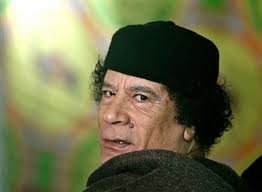
Muammar Gaddafi has fled Sabha

Posted On 15:29 by El NACHO 0 comments


The National Transitional Council are investigating an unconfirmed report that Muammar Gaddafi has fled from Sabha, NTC spokesman reports.  NTC spokesman also states that Libyan government forces now control most of Sabha with small pockets of resistance from pro-Gaddafi snipers.

Tuesday, 20 September 2011

Pakistan bus attack kills dozens

Posted On 17:44 by El NACHO 0 comments


25 Shia Muslim pilgrims have been killed after gunmen opened fire on a bus in western Pakistan, officials said. The pilgrims were going through Mastung district in Baluchistan province, en route to the Iranian border, when the attack occurred, said a senior district official, Saeed Umrani. Two motorcycles blocked the path of the bus and three gunmen stormed the vehicle, opening fire on the roughly 40 pilgrims inside, said a local tribal police officer, Dadullah Baluch, after interviewing survivors and eyewitnesses. At least 25 people were killed and more than a dozen injured in the attack on Tuesday, he added. The dead and wounded were being taken to a hospital in Quetta, about 35 miles to the north, he said. Pakistan is a majority Sunni Muslim state. Although most Sunnis and Shias live there relatively peacefully, extremists on both sides often target each other's leaders and activists. The Sunni-Shia schism over the true heir to the prophet Muhammad dates back to the seventh century.


Taliban turban bomber kills Afghan ex-president

Posted On 17:42 by El NACHO 0 comments


A Taliban suicide bomber with concealed explosives in a turban on Tuesday assassinated former Afghan president Burhanuddin Rabbani, who was leading government peace efforts, police said. The bomber struck during a meeting at the Kabul home of Rabbani, who was last year appointed chief of the Afghan High Peace Council that President Hamid Karzai tasked with negotiating with the Taliban. His death is the most high-profile political assassination since the 2001 US-led invasion ousted the Taliban from power and comes just two months after Karzai's brother Ahmed Wali Karzai was also killed. The attackers arrived at Rabbani's house with Mohammad Massom Stanikzai, Rabbani's deputy, for a meeting before the turban bomber detonated his explosives, according to one source amid conflicting reports of the incident. A member of the High Peace Council, Fazel Karim Aymaq, said the men had come with "special messages" from the Taliban and were "very trusted." Kabul criminal investigations chief Mohammad Zaher said two men "negotiating with Rabbani on behalf of the Taliban" arrived at his house, one with explosives hidden in his turban. "He approached Rabbani and detonated his explosives. Rabbani was martyred and four others including Massom Stanikzai (his deputy) were injured." The bomber struck close to the US embassy, making it the the second attack within a week in Kabul's supposedly secure diplomatic zone. The killing prompted Afghan President Hamid Karzai to cut short his visit to the United States, his spokesman said, adding he was still expected to meet US President Barack Obama as scheduled before leaving. An AFP reporter saw an ambulance at the scene and said police had blocked off surrounding roads. The reporter also heard guards at the house shouting for an ambulance for Rabbani's deputy. Two of the former president's political allies, who did not want to be named and speaking before police confirmed Rabbani's death, wept as they told AFP he had been killed. "Yes, he is dead," said one of the two sources by telephone. The Taliban were not immediately reachable for comment, but the insurgency led by its militia has hit Kabul increasingly hard in recent months. The Pakistani government swiftly condemned the assassination, describing Rabbani as a "friend" with whom Islamabad was working closely on peace efforts. "The people of Pakistan stand by their Afghan brothers and sisters in this moment of grief," a joint statement released by President Asif Ali Zardari and Prime Minister Yousuf Raza Gilani said, just days after the United States accused the Pakistani government of having ties to Taliban faction the Haqqani network. Among the most high-profile attacks was last week's 20-hour siege of the US embassy and the NATO-led International Security Assistance Force (ISAF) headquarters which left 14 people dead. Rabbani was president of Afghanistan from 1992 until the Taliban took power in 1996 and headed a country wracked by civil war. Karzai's brainchild, the High Peace Council was intended to open a dialogue with insurgents who have been trying to bring down his government since the US-led invasion overthrew their regime. The 68-member council, hand-picked by the president, was inaugurated on October 7, 2010, amid mounting reports of secret peace talks with Taliban leaders and key insurgent groups. Delivering his acceptance speech, Rabbani said he was "confident" that peace was possible, according to a statement from the palace. "I hope we are able to take major steps in bringing peace and fulfil our duties with tireless effort and help from God," he was quoted as saying. According to Human Rights Watch, Rabbani is among prominent Afghans implicated in war crimes during the brutal fighting that killed or displaced hundreds of thousands of Afghans in the early 1990s.


Friday, 9 September 2011

Hague court jails ex-Yugoslav army general

Posted On 10:40 by El NACHO 0 comments


highest-ranking officer of the former Yugoslav army has been jailed for 27 years by the UN tribunal at The Hague for war crimes. General Momcilo Perisic, who served as chief of staff of the Yugoslav army during the Balkans conflict, was found responsble for murder, persecution and attacks on civilians in Bosnia and Croatia in the 1990s. The tribunal found Perisic, 67, guilty of helping Serb troops plan and carry out war crimes, including the killing of 8,000 Muslim men and boys in Srebrenica and of the 42 month-long siege of Sarajevo. Perisic was also convicted of failing to punish his subordinates for their crimes of murder, attacks on civilians, and injuring and wounding civilians during rocket attacks on Zagreb in Croatia. He was also found guilty of securing financial and logistical support for Serbs in Bosnia and Croatia. Criminally responsible "Momcilo Perisic was found criminally responsible for aiding and abetting murder, inhumane acts, attacks on civilians and persecution on political, racial or religious grounds in Sarajevo and Srebrenica," Justice Bakone Moloto said. Perisic becomes the first Belgrade official to be convicted for Serbia's role in the wars in Bosnia and Croatia, a role the regime in Serbia has always staunchly denied. The court also found Perisic bore command responsibility for the shelling of Zagreb in 1995. The tribunal found evidence that Perisic had had a "collaborative relationship" with Bosnian Serb military commander General Ratko Mladic, and "substantially aided his operations". Perisic had kept General Mladic on the Yugoslav Army payroll list, and personally signed Mladic's promotion to the rank of colonel general in 1994. Mladic is currently on trial at The Hague on charges of crimes including genocide. But the tribunal did not find evidence that Perisic had "exercised effective control" over Mladic or any other Yugoslav Army officer serving in the Bosnian Serb army. Mladic has been indicted for genocide by the Yugoslavia tribunal and was arrested in May this year.


Freed Egyptians tell of torture in Libyan jails

Posted On 10:38 by El NACHO 0 comments


With drawn and gaunt faces, some 30 Egyptians holed up in a modest Libyan hotel speak of the incarceration and torture they suffered at the hands of Muammar Gaddafi’s loyalists. “They told me, ‘You Egyptians, you caused problems in your country, and now you have come to destroy ours’,” said Mahmud Abu Zeid, referring to the popular uprising that ousted neighbouring Egypt’s president Hosni Mubarak in February. “They wanted me to say that I was armed and had encouraged Libyans to rise up against Gaddafi,” he said. The 31-year-old said he was the first Egyptian to have been jailed in Abu Slim, a district of Tripoli that saw some of the fiercest fighting and worst atrocities before Gaddafi lost his grip on the capital late last month. Abu Zeid said the Gaddafi loyalists forced the Egyptians to record confessions that they had triggered the revolt against his regime, before they were eventually freed by revolutionary fighters. “For five months, they gave electric shocks to my son. I was so weak that I was unable to walk, so they dragged me like a sack,” he said, adding, “I ended up recording their message.” Under pressure he “confessed” to having used guns to encourage Libyans to call for the ouster of Gaddafi, he said, adding however that the Libyans who heard the recordings were not fooled. Abu Zeid’s account tallied with that of other refugees at the hotel in Benghazi, the rebellion’s stronghold in eastern Libya, some 600 kilometres (370 miles) from their homeland. “They gave out bread by kicking it at us, and we had a litre (two pints) of water to be shared among a dozen prisoners,” said another Egyptian man who added that he had been shot twice in the leg. It was still difficult for him to walk. Like him, other men in the hotel showed scars and burn marks on their backs they said were the result of torture. Tamer Rad, an Egyptian labourer who worked in Libya for two years, said he had been forced to to drink urine when he asked for water. “I was really thirsty. I asked for water, crying. They told me ‘You want to drink? Here!’ And they poured urine into my mouth. I was handcuffed, I could not resist so I had to drink it,” he said. The 26-year-old said the Egyptians had been stuck in Benghazi for several days and that he now had only one thought — of leaving Libya and returning to Egypt. The group said they fled to Benghazi after being freed on August 21 when anti-Gaddafi fighters broke open several jails as they overran Tripoli. And they had been unable to move on because, they said, the Gaddafi loyalists burned their travel documents and they are unable to contact the Egyptian embassy in Libya. On Monday, the Egyptian foreign ministry said the men would be repatriated on the same day, explaining that they had been forced to stay in Libya after the fall of the regime due to “insecurity on the roads” and the closure of airports.


'Credible' terror threat for 9/11

Posted On 09:31 by El NACHO 0 comments


The threat is unconfirmed but reportedly involves Washington DC and New York, where people are preparing to mark the 10 year anniversary of 9/11, the worst ever terrorist attack on US soil in which nearly 3,000 people died. New York's Mayor Michael Bloomberg said the new threat was uncorroborated, but he asked citizens to report suspicious activity and said that security would be increased at bridges, tunnels and on public transport. He added: "For the record, I plan to take the subway tomorrow morning." 9/11 anniversary The anniversary of 9/11 will be marked by a ceremony at Ground Zero, attended by President Barack Obama as well as former president George W Bush. The White House said President Obama had been briefed on the threat against the United States. It noted that the US government had "enhanced its security posture" ahead of the anniversary. White House spokesman Jay Carney added: "We're hyper-vigilant to this specific report that's just coming in."


Thursday, 8 September 2011

Soldiers may face Mousa prosecution

Posted On 23:03 by El NACHO 0 comments


British soldiers could face a fresh prosecution over the brutal death of an Iraqi civilian after a scathing report condemned the "shameful" abuse of prisoners in UK custody. A landmark public inquiry concluded that father-of-two Baha Mousa, 26, died after an "appalling episode of serious gratuitous violence" meted out by members of 1st Battalion the Queen's Lancashire Regiment (1QLR). Inquiry chairman Sir William Gage said a number of British officers who could have stopped the abuse, including 1QLR's former commanding officer Colonel Jorge Mendonca, bore a "heavy responsibility" for the "grave and shameful events". He also strongly criticised the "corporate failure" by the Ministry of Defence that led to "conditioning" techniques banned by the UK in 1972, including hooding and making prisoners stand in painful stress positions, being used by soldiers in Iraq. The £13 million public inquiry, which has published its 1,400-page final report, condemned the "lack of moral courage to report abuse" within Preston-based 1QLR. It named 19 soldiers who assaulted Mr Mousa and nine Iraqis detained with him, and found that many others, including several officers, must have known what was happening. The damning report said the violence could not be described as a "one-off" because of evidence that 1QLR troops abused and mistreated Iraqi civilians on other occasions. Lawyers for Mr Mousa's family called for the soldiers responsible for his death to face charges in the light of the findings. Seven members of 1QLR, including Col Mendonca, faced allegations relating to the mistreatment of the detainees at a high-profile court martial in 2006-07. The trial ended with them all cleared, apart from Corporal Donald Payne, who became the first member of the British armed forces convicted of a war crime when he pleaded guilty to inhumanely treating civilians. Payne was acquitted of manslaughter. The legal team for Mr Mousa's relatives and the other detainees believe that evidence in the inquiry's report could form the basis for a new prosecution. Sapna Malik, from law firm Leigh Day and Co, said: "In light of the cogent and serious findings by Sir William Gage, we now expect that the military and civilian prosecuting authorities of this country will act to ensure that justice is done." The Crown Prosecution Service said the inquiry's report had not been referred to it. The Service Prosecuting Authority, which brings military prosecutions, was not available for comment.


Wednesday, 7 September 2011

20 people, including a senior army officer, were killed on Wednesday when two blasts were detonated by separate suicide bombers in southwest Pakistan

Posted On 18:52 by El NACHO 0 comments

At least 20 people, including a senior army officer, were killed on Wednesday when two blasts were detonated by separate suicide bombers in southwest Pakistan, police officials said.

Reuters

A police officer assisted an injured man at the site of a double suicide bombing in Quetta, Pakistan, on Wednesday.

The attackers targeted the Frontier Corps, a paramilitary force commanded by army officers, stationed in Quetta. At least 30 people were injured in the explosions.

There was no immediate claim of responsibility but suspicion immediately fell on Al Qaeda and Taliban militants . On Monday, Pakistani officials announced the arrest of a senior Al Qaeda leader, Younis al-Mauritani from Quetta. The operation was conducted by Inter-Services Intelligence, the country’s intelligence organization, and the Frontier Corps, according to an army spokesman.

The attack Wednesday morning in Quetta took place in a high-security neighborhood where several government offices and residences of high-ranking government officials are located.

The attackers targeted the house of Brig. Farrukh Shehzad, the deputy inspector general of the Frontier Corps. One bomber detonated his vehicle outside the house of the officer, a witness told AAJ TV, a private television news channel.

Soon after the first attack, another attacker entered the house on foot and started firing before detonating his explosives. Brigadier Shehzad was wounded and his wife was killed, according to initial local news reports. A colonel, Khalid Masood, was also killed in the attack.

Local television networks broadcast images of charred vehicles as ambulances ferried the wounded to nearby hospitals. The house of the wounded brigadier was badly damaged.

Quetta, the capital of Baluchistan Province, which borders Afghanistan and Iran, has a history of sectarian and nationalist violence. Al Qaeda leaders and Taliban militants are also thought to have found a safe haven in the city and the province


Heavy gunfire in central, north Syria; 11 killed

Posted On 18:50 by El NACHO 0 comments


Syrian security forces unleashed a barrage of gunfire on Wednesday, killing at least 11 people and leaving thousands cowering in their homes as President Bashar Assad's troops kept up the government's assault on a 6-month-old uprising, activists and witnesses said. Nine of the dead were in Homs, a hotbed of opposition to Assad's autocratic regime. Two others were shot dead during raids in Sarameen, in northern Syria. For days, security forces have been pursuing activists and anti-government protesters in Homs, part of a ferocious crackdown on the most serious challenge to the 40-year Assad dynasty. The UN says more than 2,200 people have died in nearly six months of protests. "All through the night, there was shooting. The gunfire didn't stop," a resident of the city said by phone on Wednesday. "I can't tell exactly what is going on because it's dangerous to go out." Omar Idilbi, a spokesman for the Local Coordination Committees, an activist network, said security forces simultaneously stormed several districts in the old part of the city, including the Bab Dreib, Bab Houd and the Bayada neighborhoods. Nine people were confirmed dead in ongoing shooting in those areas, the LCC said. The London-based Observatory for Human Rights, which has a network of activists across the country, said 10 were killed. Homs, Syria's third-largest city, has seen some of the largest anti-regime protests in Syria over the past months, despite repeated crackdowns. On Tuesday, security forces opened fire from a checkpoint in Rastan, just north of Homs, killing two people, including a 15-year-old boy, activists said. They said five unidentified corpses, including that of a woman, also were found dumped around the city centre.


US deplores 'cowardly' India bombing

Posted On 18:46 by El NACHO 0 comments


The United States on Wednesday condemned the "cowardly" bombing outside a courthouse in New Delhi, and praised the courage of the Indian people "in the face of horrific violence." "The United States condemns in the strongest terms this morning's deadly bombing outside the New Delhi High Court, and extends its deepest condolences to those affected by these cowardly attacks," US State Department spokeswoman Victoria Nuland said in a statement. "The people of India have once again demonstrated remarkable resiliency and courage in the face of horrific violence," Nuland said. Nuland said the United States "stands ready to offer any and all assistance to Indian authorities," and that Washington was monitoring the situation to ensure "the safety and security" of US citizens in India. "Terrorism is a scourge that affects us all and the United States stands with India in confronting this global challenge," she added. Wednesday's powerful bomb, hidden in a briefcase, ripped through a busy crowd outside the court, killing at least 11 people and wounding dozens more. It was the first major attack on Indian soil since triple blasts in Mumbai on July 13 killed 26 people.


Qaddafi Reports Add to Libyan Confusion

Posted On 18:39 by El NACHO 0 comments


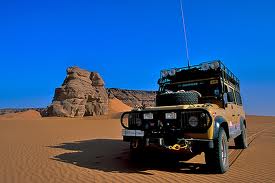
In another confusing round of claims and counterclaims by the Libyan rebels, a spokesman for their most powerful militia commander said Wednesday that rebel forces had cornered Libya’s fugitive leader, Col. Muammar Qaddafi, a report dismissed by a spokesman for the transitional government’s military. The claim came as rebel officials as well as officials in neighboring Niger said Colonel Qaddafi had not fled into Niger, nor had two of his most powerful sons, contrary to speculation after news reports said 200 armed vehicles or more headed into the country recently. On Tuesday, officials within Niger and some independent witnesses said that there was no such convoy, while confirming that some smaller number of Libyan vehicles had entered in recent days, and the State Department said that at least a dozen senior members of the Qaddafi government had fled to Niger. On Wednesday, Mohamed Bazoum, Nigerien foreign minister, told French Radio: “There’s no question that some people arrived. But it wasn’t at all of the order of magnitude that people have said. Two hundred vehicles, that’s inconceivable. Ten cars, maximum.” The Associated Press quoted a spokesman for Niger’s president as saying that one was Colonel Qaddafi’s security chief, Mansour Dao. The Wednesday claim that the fugitive leader was cornered came from Anis Sharif, the spokesman for Abdel Hakim Belhaj, who is the chairman of the Tripoli Military Committee and the leader of one of the biggest rebel militias. Mr. Sharif said a variety of rebel units had converged on an area in the desert where they had confirmed the presence of the leader. “We are waiting for the right moment to move in and in the meantime we are tracking his movements,” Mr. Sharif said. “He doesn’t have a very strong protection with him, not as much protection as we had expected. He only moves at night to avoid NATO air strikes.” Mr. Sharif declined to say where the location was, other than in the Sahara desert, which occupies more than half of the southern part of the country. He said that the rebel forces had advanced to within 40 miles of his location and had surrounded the area. “He cannot escape,” he said, adding he expected rebels to move in soon. “It’s up to the leaders on the ground who will make their move when it’s time.” Abdulrahman Busin, the military press liaison, said that the reports of Colonel Qaddafi being surrounded were rumors, and that there were also unconfirmed reports that he was in yet another convoy moving toward the remote Niger border. Niger also borders Burkina Faso, another landlocked Saharan country, which had previously announced that it would grant asylum to Colonel Qaddafi. On Tuesday however, according to the Associated Press, Burkina Faso officials said he would be arrested if he arrived there.

Tuesday, 6 September 2011

NIGER'S FOREIGN MINISTER CLAIMS GADDAFI WAS NOT ON CONVOY

Posted On 14:52 by El NACHO 0 comments


Neither Gaddafi nor any of his sons were on the convoy that arrived in Niger from Libya. The statement was made by Niger Foreign Minister, Mohammed Bazoum, on the microphones of Al Arabiya.& 13; The news was leaked by sources of the National Transational Council, according to which the 200-250 vehicle convoy that crossed the Fezzan desert to reach the ciy of Agadez, escorted by local security forces, carried an enormous load of gold and cash as well as several members of Gaddafi's family. "None of this is true", Bazoum said, cutting short, "it isn't Gaddafi and nor do I think that the convoy was as large as reported". In his opinion, the convoy carried former officials of Gaddafi's regime, although of intermediate ranking: this therefore also appears to deny the presence on the convoy of Mansour Daw, the chief of the Colonel's security forces. & 13; Also France, the former colonial power of the sub-Saharan Country, denied rumors concerning Gaddafi: "We have no information enabling us to think that Colonel Gaddafi is on that convoy", reiterated a spokesperson of the Elysee


Monday, 5 September 2011

talkSPORt to be broadcast to British troops stationed overseas

Posted On 23:09 by El NACHO 0 comments


talkSPORT commentary on the Rugby World Cup 2011 is to be broadcast to British soldiers serving overseas, the British Forces Broadcasting Service has announced. Coverage commences on September 9 and will enable troops stationed in more than 20 countries; including Afghanistan, Gibraltar and the Falkland Islands, to keep up to date with all the games as they are played. England legend Brian Moore, aka The Pit Bull, will be heading up talkSPORT's coverage for the tournament alongside David Campese. He said: “The Rugby World Cup is a massive event and is sure to be a fantastic spectacle – I’m really pleased to be supporting our brave troops abroad.” BFBS Controller Nicky Ness said: “I am delighted that the BFBS and talkSPORT partnership now extends to Rugby World Cup coverage.  This tournament is really important to the armed forces community for whom sport is crucial part of life.  The fact that our troops will be able to listen on the front line and in far flung corners of the world will make a real difference to morale.


Thursday, 25 August 2011

British special forces are on the ground in Libya helping to spearhead the hunt for Col Muammar Gaddafi,

Posted On 12:34 by El NACHO 0 comments

British special forces are on the ground in Libya helping to spearhead the hunt for Col Muammar Gaddafi, The Daily Telegraph has disclosed.
Soldiers from 22 SAS Regiment are reported to be guiding rebel soldiers after being ordered in by David Cameron.
With the majority of the capital now in rebel hands, the SAS soldiers, who have been dressed in Arab civilian clothing and carrying the same weapons as the rebels, have been ordered to switch their focus to the search for Gaddafi, who has been on the run since his fortified headquarters was captured on Tuesday.
Libya’s National Transitional Council said Gaddafi was wanted “dead or alive” and promised an amnesty to any of his inner circle prepared to betray his whereabouts.


Tripoli hospital has received the bodies of 17 civilians believed to have been executed in recent days by government forces in Muammar Gaddafi's compound in the capital

Posted On 12:29 by El NACHO 0 comments

Tripoli hospital has received the bodies of 17 civilians believed to have been executed in recent days by government forces in Muammar Gaddafi's compound in the capital, a British medical worker said on Thursday.

"Yesterday a truck arrived at the hospital with 17 dead bodies," Kirsty Campbell of the International Medical Corps told Reuters.

"These guys were rounded up 10 days ago. They were found in Bab al-Aziziya when the guys (rebel fighters) went in. These guys were shot in an execution there," she said.

The wounds were not battlefield injuries, she said.

Rebel fighters overran the fortified Bab al-Aziziya complex, the centre of Gaddafi's power, on Tuesday.

She said there had been reports of more bodies, but added: "I myself counted 17 last night."

Campbell said family members had identified the victims.


Four Italian journalists kidnapped and held by suspected loyalists of Libya's Muammar Gaddafi have been freed, according to Italy's foreign ministry.

Posted On 12:28 by El NACHO 0 comments

Four Italian journalists kidnapped and held by suspected loyalists of Libya's Muammar Gaddafi have been freed, according to Italy's foreign ministry.

The journalists were reportedly freed during a raid on the house in Tripoli in which they were being held.

They were abducted and their driver was killed on Wednesday west of the capital, the ministry had said.

One of them had told the Italian consul in Benghazi by phone that they were in good health.

Milan-based daily Corriere della Sera named the four as its journalists Elisabetta Rosaspina and Giuseppe Sarcina, Domenico Quirico from Turin-based La Stampa and Claudio Monici, from Avvenire, the daily of the Italian Catholic Bishops Conference.

On Wednesday, the journalists were stopped on a highway between Tripoli and Zawiya by a group of civilians, who handed them over to forces faithful to Col Gaddafi, the paper's website said.

Italy has been part of Nato's bombing campaign against Col Gaddafi's forces.


Saturday, 6 August 2011

US helicopter 'shot down' by Taliban in Afghanistan

Posted On 16:18 by El NACHO 0 comments

A US helicopter crash in eastern Afghanistan has killed 31 US special forces and seven Afghan soldiers, President Hamid Karzai's office says.

The helicopter was taking the personnel back to their base after an operation.

Neither the US nor Nato have confirmed the cause, but witnesses, officials and the Taliban say it was shot down.

The incident is believed to be the biggest single loss of life for US forces in Afghanistan since operations began in 2001.

The Chinook helicopter went down overnight in Wardak province, the statement from President Karzai's office said.

It was returning from an operation against the Taliban in which eight insurgents are believed to have been killed.

A senior official of President Barack Obama's administration said the helicopter was apparently shot down, Associated Press news agency said.

An official with the Nato-led coalition in Afghanistan told the New York Times the helicopter was shot down with a rocket-propelled grenade.

'Enemy activity'
"The president of the Islamic Republic of Afghanistan expresses his sympathy and deep condolences to US President Barack Obama and the family of the victims," the statement from Hamid Karzai said.


President Obama, too, issued a statement paying tribute to the Americans and Afghans who died in the crash.

"We will draw inspiration from their lives, and continue the work of securing our country and standing up for the values that they embodied. We also mourn the Afghans who died alongside our troops in pursuit of a more peaceful and hopeful future for their country," the statement said.

The Nato-led International Security Assistance Force has confirmed the helicopter crash but has not released details of casualties or the cause.

ABC News said 25 Navy Seals were on board, plus seven Afghan special forces soldiers, five crew and one interpreter.

Nato said it was mounting an operation to recover the helicopter and find out why it crashed. It said there had been "enemy activity in the area" where it went down.

A Taliban spokesman said insurgents had brought down the helicopter with a rocket after US and Afghan troops attacked a house in the Sayd Abad district of Wardak where insurgents were meeting late on Friday, Associated Press said.

Sayd Abad, near the province of Kabul, is known to have a strong Taliban presence.

A Wardak government spokesman quoted by AFP news agency agreed with this, saying the helicopter was hit as it was taking off.

A local resident told the BBC Pashto service a rocket hit the helicopter.

"What we saw was that when we having our pre-dawn (Ramadan) meal, Americans landed some soldiers for an early raid," said Mohammad Wali Wardag.

"This other helicopter also came for the raid. We were outside our rooms on a veranda and saw this helicopter flying very low, it was hit by a rocket and it was on fire. It started coming down and crashed just away from our home close to the river."


There are currently about 140,000 foreign troops - about 100,000 of them American - in Afghanistan, fighting the Taliban insurgency and training local troops to take over security.

All foreign combat forces are due to leave Afghanistan by the end of 2014 and some troop withdrawals have already taken place.

Nato has begun the process of handing over control of security in some areas to local forces, with Bamiyan becoming the first province to pass to Afghan control in mid-July.

An increase in US troop numbers last year has had some success combating the Taliban in the south of Afghanistan, but attacks in the north, which was previously relatively quiet, have picked up in recent months.


A helicopter crash in eastern Afghanistan has killed 31 US special forces and seven Afghan soldiers

Posted On 16:17 by El NACHO 0 comments

A helicopter crash in eastern Afghanistan has killed 31 US special forces and seven Afghan soldiers, according to President Hamid Karzai's office.

It is not clear how the crash happened, but the Taliban have said they shot the helicopter down.

The incident is believed to be the biggest single loss of life for US forces in Afghanistan since they began operations in 2001.

Halim Fidai, the governor of Wardak province, where the incident happened, thinks this attack is not necessarily an indication that the Taliban are winning the conflict in Afghanistan.


Thursday, 9 June 2011

Algeria and Zimbabwe have sent troops to support Libya's Colonel Muammar Gaddafi in his war against the rebels according to the daily The International Business Times.

Posted On 20:52 by El NACHO 0 comments


Pondering the reasons for the survival of the Libyan colonel after the severe sanctions imposed against his regime, including the freezing of his assets and the defection of many of his senior officials, the newspaper writes that several reports have confirmed that "soldiers from Algeria and Zimbabwe are actively fighting "on behalf of Gaddafi".

Several media reports focused their coverage on the Libyan rebels and the claims conveyed by the former chief of protocol under Gaddafi that Libya's embattled government has recruited mercenaries from Kenya, Chad, Niger and Mali after losing control of the army, other reports have shown that these mercenaries were a small part of the forces of Gaddafi, the newspaper reported. Citing sources in Harare, the Business Times reported that Zimbabwe has sent over 500 soldiers to support Gaddafi in Libya, its longtime ally.

Other reports have mentioned the involvement of Algeria in the conflict through its support of the colonel, adds the times, noting that the Algerian group of human rights (Algeria Watch / based in Germany) published a report that "the Algerian government provided Gaddafi with material assistance in the form of armed military units." "Algeria Watch also accused the Algerian government of providing aircraft for the transport of mercenaries from Niger, Chad and Darfur to Libya, the times said.

"The use of mercenaries has been used as cover to divert attention and hide the alliances between Libya and other African countries", writes the times, before concluding that Gaddafi could not have survived without a assistance from some neighboring countries.


Saturday, 4 June 2011

SAS soldiers are on the ground in Libya acting as spotters for NATO air strikes.

Posted On 12:44 by El NACHO 0 comments

Six armed Western men, possibly British special forces, were caught on tape by Al Jazeera, seemingly corroborating rumors that SAS soldiers are on the ground in Libya acting as spotters for NATO air strikes. The presence of Western troops is... well, the Guardian calls it a "sensitive" subject, because the UN resolution authorizing air strikes explicitly forbids a "foreign occupation force of any form." As far as the British government is concerned, they don't exist: "We don't have any forces out there," the Ministry of Defense says.

Meanwhile, eight Libyan army officers — including five generals — defected to Italy on Monday, appearing at a news conference where they claimed to be members of a group of recently-defected 120 military officials and soldiers. The defections seem to have been prompted by "tensions" in Qaddafi's military.


British former special forces soldiers working for private security companies are in the Libyan city of Misrata

Posted On 12:43 by El NACHO 0 comments

British former special forces soldiers working for private security companies are in the Libyan city of Misrata, advising the rebels and supplying information to NATO, the Guardian reported Wednesday.
Former members of the Special Air Service (SAS) are among those gathering information about the location and movement of troops loyal to leader Moamer Kadhafi, British military sources told the paper.
They are passing that information on to NATO's command centre in Naples.
The former soldiers are in Libya with the blessing of Britain, France and other NATO countries, the sources told The Guardian.
They have been supplied with non-combat equipment by the coalition forces.
Ministry of Defence (MoD) officials denied the private soldiers were being paid by the British government and insisted it had no combat troops on the ground.
The Guardian said the soldiers were reportedly being paid by Arab countries, notably Qatar.
Britain last week approved the use of its Apache attack helicopters in the operation.
The information being gathered by the rebel advisers was likely for use by British and French pilots during missions predicted for later this week, the paper reported.
Reports of their presence emerged after Arabic news channel Al-Jazeera on Monday showed video footage of six armed westerners talking to rebels in the port city of Misrata.
Libya on Tuesday accused NATO of having killed 718 civilians and wounded 4,067 in 10 weeks of air strikes.


House rebukes Obama on Libya

Posted On 12:41 by El NACHO 0 comments

The New York Times and other media are reporting that the House of Representatives has sent a strong rebuke to President Obama for failing to consult Congress about his decision to involve the US in military action in Libya.

The Times says the House voted 268 to 145 in favor of Speaker John Boehner's resolution objecting to Obama's action, and, the Times says, directing the administration to "provide detailed information about the cost and objectives of the American role in the conflict."

Democrat Dennis Kucinich, one of the most liberal members of the House, had proposed a stronger measure, ordering Obama to withdraw troops from action in Libya. That proposal was defeated.

As I have noted in previous blogs and in my columns, I continue to be conflicted about our involvement in Libya. But in a blog last month, I cited a Washington Post opinion piece by Yale Professors Bruce Ackerman and Oona Hathaway, raising an additional concern: their belief that in getting involved in Libya without Congressional approval, Obama has violated the War Powers Act.

The Post piece - written on May 17, just before a deadline specified in the War Powers Act - is well worth reading. Obama isn't the first president to assume power that the Constitution doesn't give him. Obama is arguing that the act doesn't apply to his actions in Libya, but presidents have used similar arguments before. And as we become involved more and more in less "traditional" war, it's important to have a national discussion about military action and presidential power.

And it's important for Congress - acting in a bipartisan way, which it did today - to recapture the power and the balance that the Constitution mandates.


Senior al Qaeda operative Ilyas Kashmiri, regarded as one of the most dangerous militants in the world, was killed by a U.S. drone aircraft missile strike

Posted On 12:38 by El NACHO 0 comments

Senior al Qaeda operative Ilyas Kashmiri, regarded as one of the most dangerous militants in the world, was killed by a U.S. drone aircraft missile strike in Pakistan, an intelligence official and local media said on Saturday.

The death of the Pakistani militant was another intelligence coup for the United States after U.S. special forces killed Osama bin Laden in a town close to Islamabad on May 2.


Yemen’s embattled president, Ali Abdullah Saleh, is in Saudi Arabia for medical treatment

Posted On 12:36 by El NACHO 0 comments

Yemen’s embattled president, Ali Abdullah Saleh, is in Saudi Arabia for medical treatment following an attack on his palace in the capital Sana’a, al Arabiya reported on Saturday.

Yemen’s official news agency SABA did not confirm the report, saying only that senior government officials were in Saudi Arabia for treatment.

The news came a day after the president released an audio statement saying he was “well.”

Five top Yemeni officials in Saudi for treatment

Five top members of the government were sent to Saudi Arabia for treatment of wounds they suffered in a rebel rocket attack on the presidential palace, the official government news agency reported on Saturday. Mr. Saleh was slightly injured.

Tribal and medical officials said, meanwhile, that 10 tribesmen were killed and 35 injured in overnight fighting in the Hassaba neighbourhood, headquarters of opposition Sheik Sadeq al—Ahmar. A tribal leader said street fighting lasted until dawn. Many of the compound’s buildings and surrounding houses have already been heavily damaged by days of bombardment.

Government and rebel forces exchanged rocket fire, damaging a contested police station. The rockets rained down on streets housing government buildings that had been taken over by tribesmen.

Since violence erupted in the city on May 23, residents have been hiding in basements as the two sides fight for control of government ministries and hammer one another in artillery duels and gun battles, rattling neighbourhoods and sending palls of smoke over the city.

Seven guards were killed in the rebel strike on the mosque in the presidential palace compound where Mr. Saleh and the other officials were at prayer. The news agency said the prime minister, a deputy prime minister, the president’s top security adviser, and the two heads of parliament were sent to Saudi Arabia by air in the early hours of Saturday. The security officer reportedly was in serious condition.

As for Mr. Saleh’s injuries, Deputy Information Minister Abdu al—Janadi spoke of only “scratches to his face.” But there were indications the injuries may have been more severe. Mr. Saleh, in his late 60s, was taken to a Defence Ministry hospital, while officials promised repeatedly that he would soon appear in public. But by late Saturday morning, state television had aired only an audio message from the president, with an old still photo.

“If you are well, I am well,” Mr. Saleh said in the brief message, addressing Yemenis. He spoke in a laboured voice, his breathing at times heavy. He blamed the rocket attack on “this armed gang of outlaws,” referring to the tribal fighters, and called on “all sons of the military around the country to confront” them.

The bold assault directly on the president is likely to heighten what has been an increasingly brutal fight between Mr. Saleh’s forces and the heavily armed tribesmen loyal to Mr. al—Ahmar.

The bloodshed comes as nearly four months of protests and international diplomacy have failed to oust Yemen’s leader of 33 years.

The White House called on all sides to stop the fighting, which has killed more than 160 people.

“Violence cannot resolve the issues that confront Yemen, and today’s events cannot be a justification for a new round of fighting,” White House Press Secretary Jay Carney said in a statement.

President Barack Obama’s Homeland Security and Counterterrorism adviser, John Brennan, discussed the crisis in Yemen with officials in Saudi Arabia and the United Arab Emirates during a three—day visit to the Gulf that ended Friday. He vowed to work with Yemen’s powerful neighbours to stop the violence.

Washington fears the chaos will undermine the Yemen government’s U.S.—backed campaign against al—Qaida’s branch in the country, which has attempted a number of attacks against the United States. Mr. Saleh has been a crucial U.S. ally in the anti—terror fight, but Washington is now trying to negotiate a stable exit for him.

Inspired by uprisings in Egypt and Tunisia, protesters have been trying unsuccessfully since February to oust Mr. Saleh with a wave of peaceful protests that have brought out hundreds of thousands daily in Sanaa and other cities.

Now the crisis has transformed into a power struggle between two of Yemen’s most powerful families – Mr. Saleh’s, which dominates the security forces, and the al—Ahmar clan, which leads Yemen’s strongest tribal confederation, known as the Hashid. The confederation is grouped around 10 tribes across the north.

Al—Ahmar announced the Hashid’s support for the protest movement in March, and his fighters adhered to the movement’s nonviolence policy. But last week, Saleh’s forces moved against Mr. al—Ahmar’s fortress—like residence in Sanaa, and the tribe’s fighters rose up in fury.

Friday’s attack was the first time the tribesmen have directly targeted the president. At least three rockets hit in and around Mr. Saleh’s palace compound in Friday’s strike, one of them hitting the front of the mosque, where he and his officials were lined up in prayer, according to a presidential statement.

The al—Ahmars were once uneasy allies of Mr. Saleh, and their Hashid confederation was key to his hold on power. But Mr. Sadeq al—Ahmar and his nine brothers have grown increasingly resentful of Mr. Saleh’s policy of elevating his sons, nephews and other relatives to dominate regime positions, particularly in the security forces.

Their fight comes as Mr. Saleh’s forces continue to crack down on the tens of thousands of demonstrators still massing daily in a central square of Sanaa and in other cities.

Troops fired on protesters on Friday in the city of Taiz, south of the capital, wounding two. A Defence Ministry statement said four soldiers were killed and 26 others injured in clashes there with gunmen it said were from the opposition and Islamist groups.


British combat helicopters have destroyed a radar installation and military checkpoint during their first operation in Libya - despite coming under fire.

Posted On 12:35 by El NACHO 0 comments

The Ministry of Defence has confirmed that army Apaches successfully completed their mission of hitting the targets near the town of Brega overnight.
Forces loyal to leader Colonel Muammar Gaddafi fired at one of the choppers, but they both returned safely to the Royal Navy helicopter carrier, HMS Ocean, which is stationed off the Libyan coast.
A variety of weapons were used, including hellfire missiles.

Major General Nick Pope, the communications officer for the Chief of the Defence Staff, emphasised that UK and Nato forces have been clear that their mission was to protect Libyan civilians under threat of attack.
He described it as "appropriate to employ attack helicopters to help intensify the effect that Nato can deliver at key points against regime forces which continue to threaten their own people."
Lieutenant-General Charles Bouchard, Nato's commander of the operation in Libya, said: "This successful engagement demonstrates the unique capabilities brought to bear by attack helicopters.

Apache Attack Helicopters are operated by Royal Navy crews
"We will continue to use these assets whenever and wherever needed, using the same precision as we do in all of our missions."
The attack helicopters have been brought in because they provide more flexibility to track and engage pro-Gaddafi forces who deliberately target civilians and attempt to hide in populated areas.
Commander of the UK task group, Commodore John Kingwell said the attack helicopters are unique because they can "identify and engage targets with huge precision".
"That enables us to provide protection to civilians in Libya," he added.


LinkWithin

Related Posts Plugin for WordPress, Blogger...